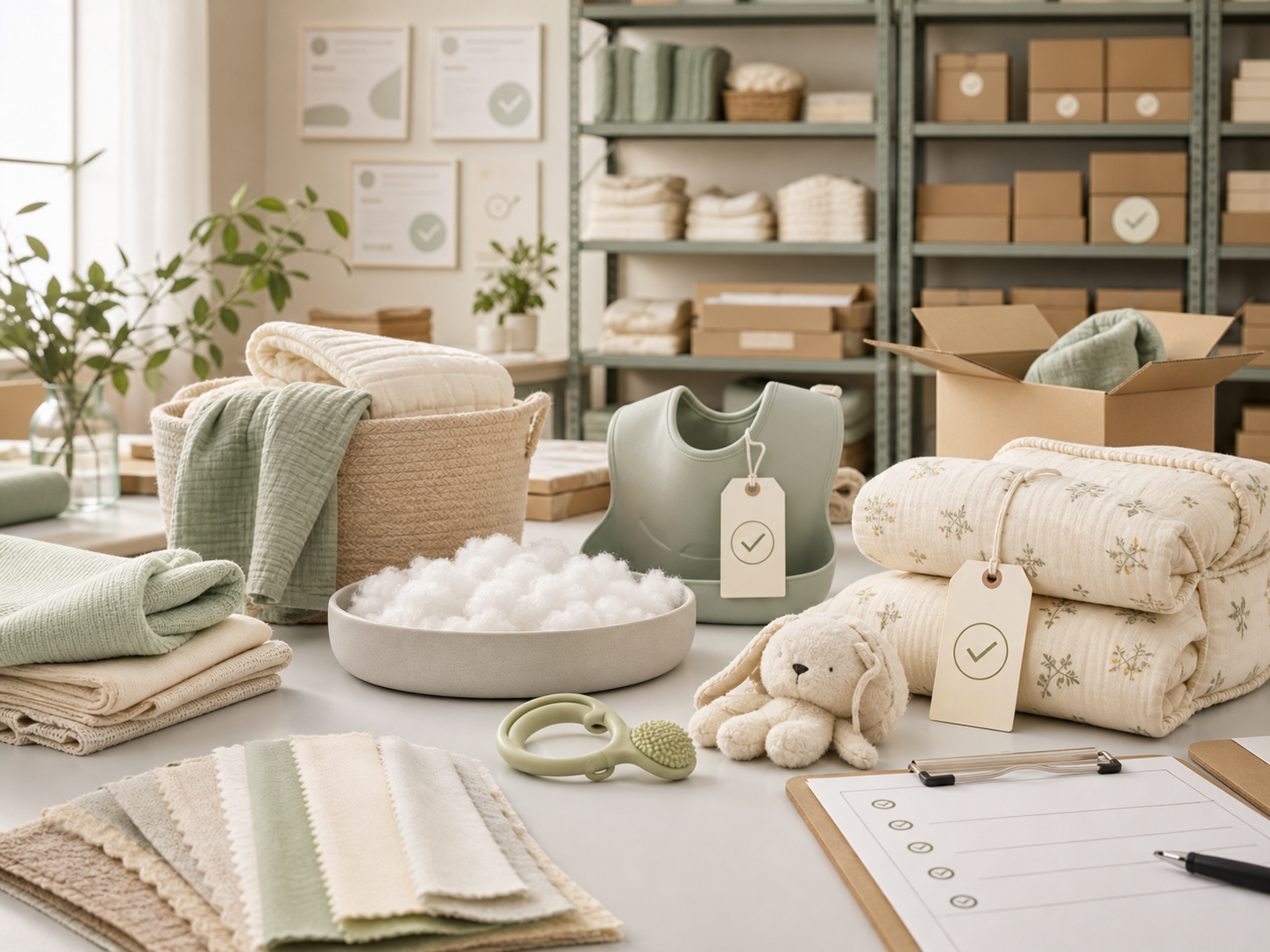
Trend: toy safety is moving from certificates to traceability
The EU has advanced an updated toy-safety framework focused on stricter restrictions for harmful chemicals, stronger oversight of imported and online-sold toys, and digital product passports carrying compliance and safety information. For cross-border baby-toy suppliers, documentation should no longer be prepared only when customers ask. It should be part of every SKU.
What this means for Muma products
Comfort toys
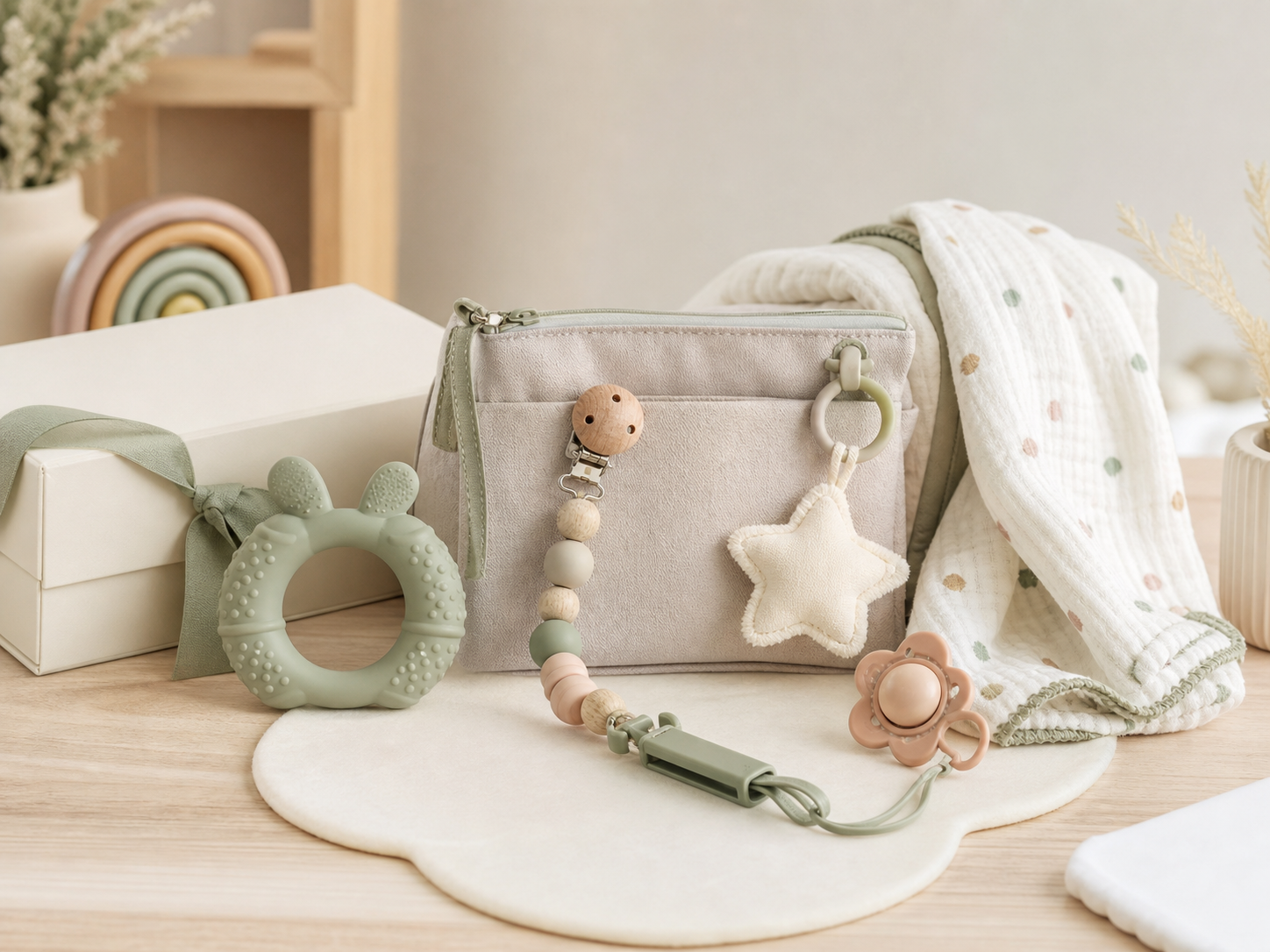
Soft mouse toys, fabric rattles and comfort charms need attention to small parts, filling, seam strength, washing methods and age fit. Product images should show connection points and stitching details to reduce structural doubts.
Textile craft goods
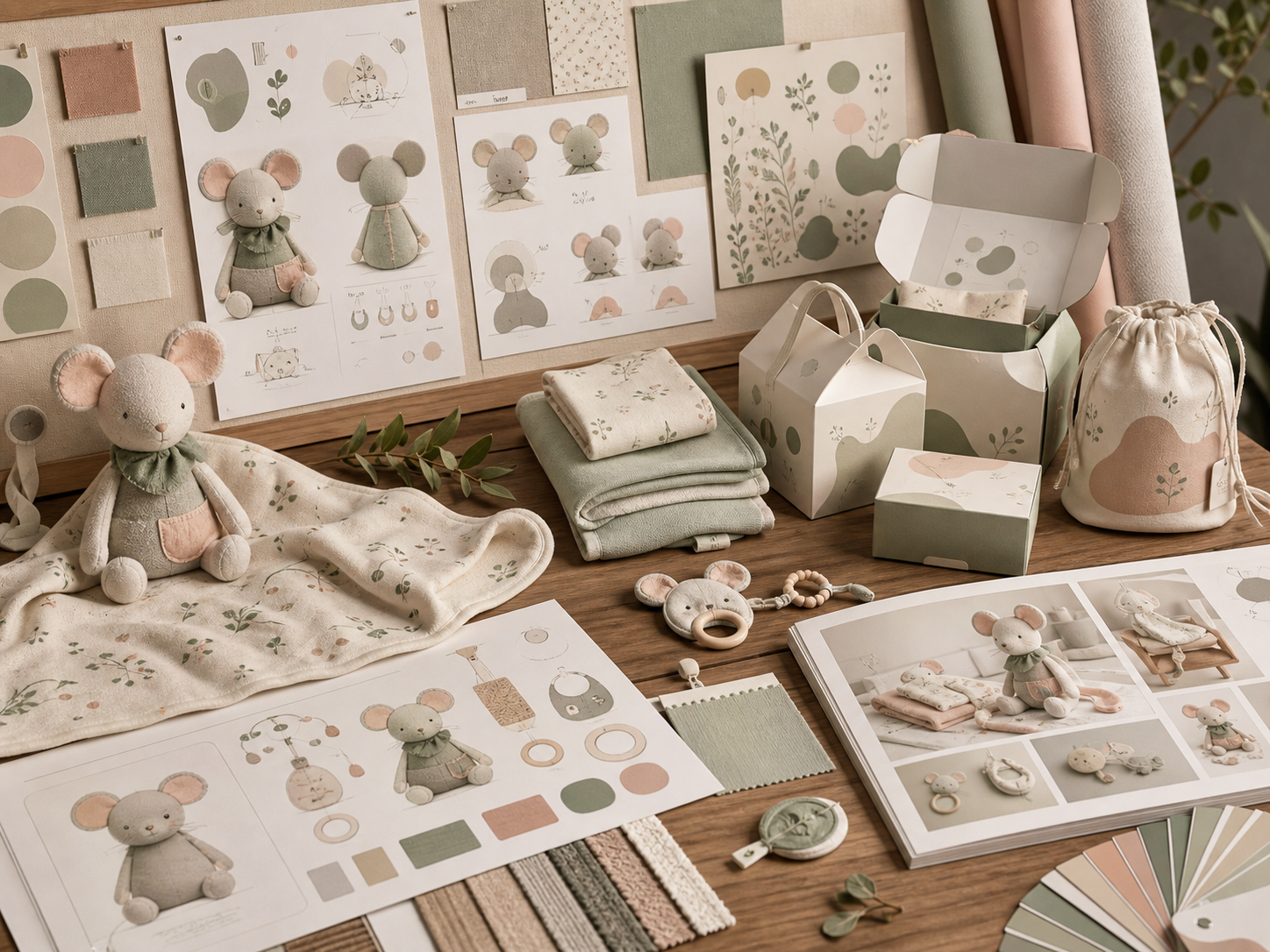
Textile craft goods sell through touch and characters, but compliance files should cover fabric, dyes, filling, accessories and packaging. Whenever fabrics or accessories change, the product file should be updated too.
Gift boxes and packaging
Gift boxes are not exempt from compliance. Hang tags, stickers, outer boxes and instruction cards should share the same warnings and material notes, especially in multilingual markets.
Documentation to organize now
- SKU list: name, category, target market and age fit.
- Material list: fabric, filling, silicone, metal or plastic accessories.
- Structure notes: cord length, detachable parts, small parts and stitching points.
- Test summaries: CE, EN71 and CPC matched by market and product.
- Packaging copy: warnings, washing method, origin and responsible-party information.
- Image archive: white-background, detail, label and packaging images.
Muma's opportunity
Safety compliance raises the bar, but it also makes careful suppliers easier to identify. If Muma connects its textile, character and packaging system with a clean documentation system, it can move from cute products to a series that buyers can confidently source.